Bullet trains, neon nights, temple mornings, and the best food of your life — here is how to do Japan in ten days.
This post contains affiliate links. If you book through them, I may earn a small commission at no extra cost to you — it helps keep Lifetsak running. Thank you!
I put Japan off for years. Too far, too overwhelming, too hard to navigate without speaking the language — or so I convinced myself every time it came up in conversation. Then a friend sent me a photo of cherry blossoms over Senso-ji Temple in Tokyo, and that was it. Flight booked, JR Pass ordered, stretchy trousers packed.
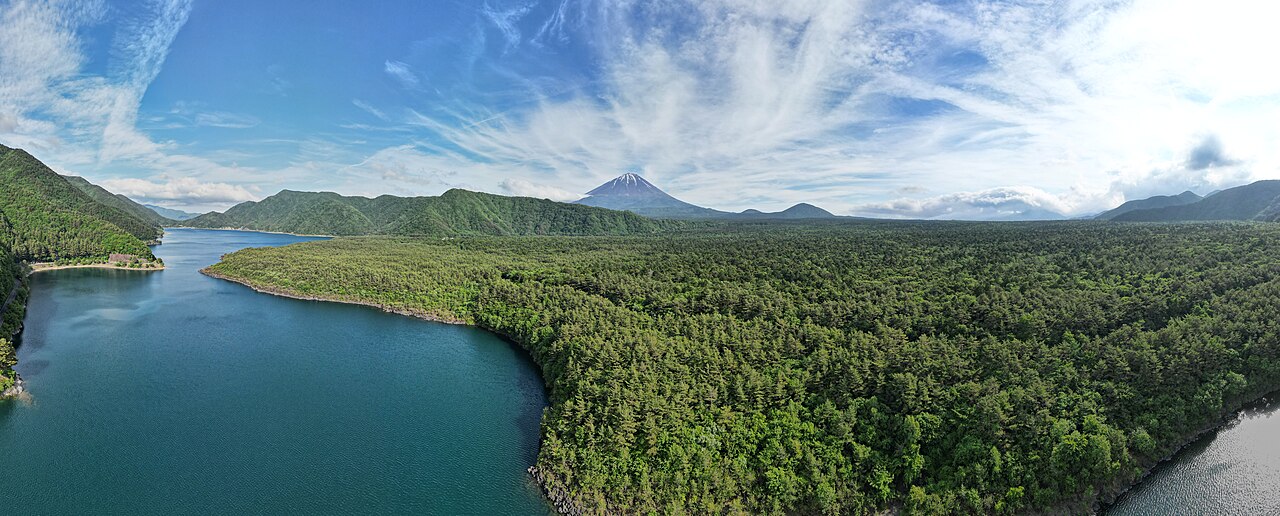
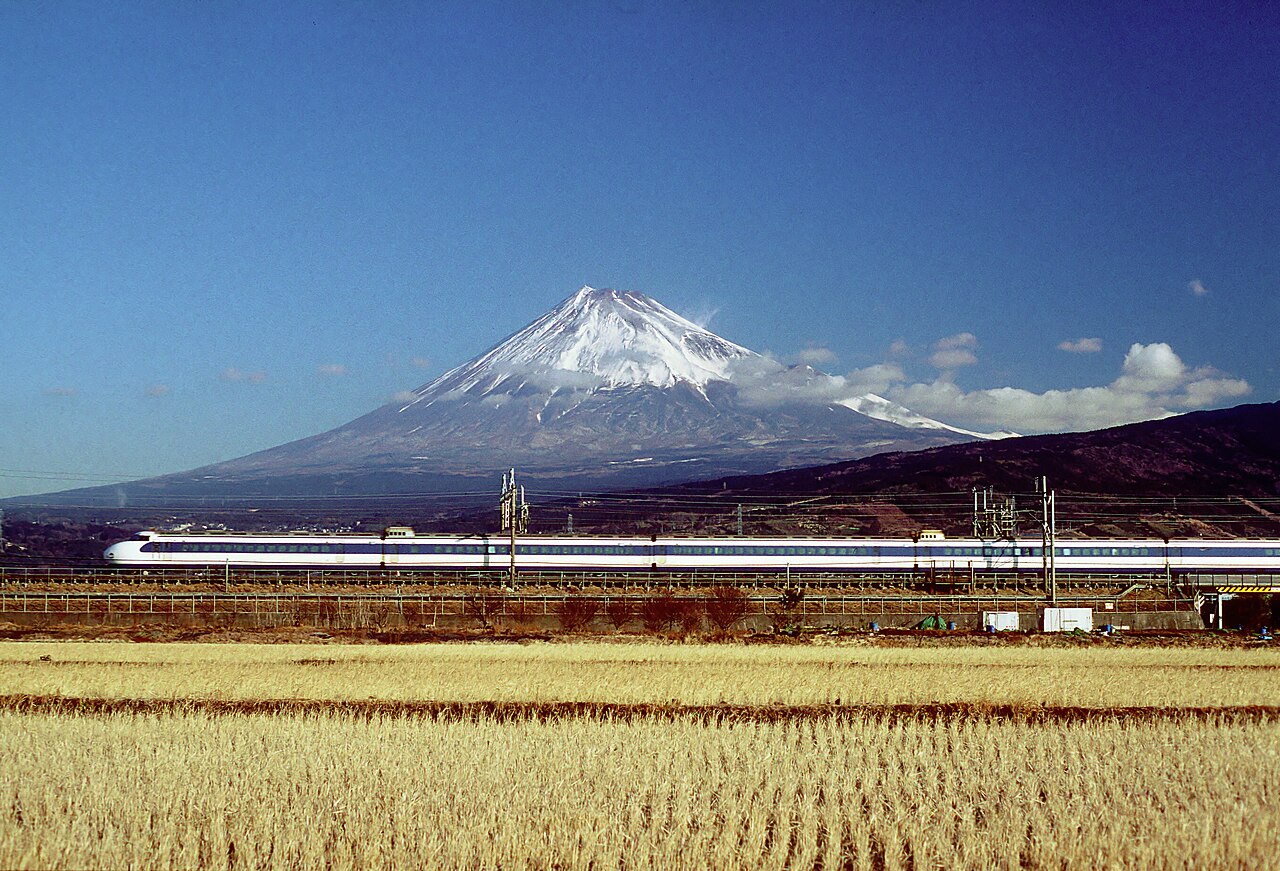
Japan turned out to be one of the most traveler-friendly countries I have ever visited. Bullet trains that run on the minute, convenience stores that serve genuinely excellent food, and a culture of warmth and precision that makes every interaction feel respectful. It is also extraordinarily beautiful — from neon-lit city nights to ancient temple gardens to snow-capped Mt. Fuji framed perfectly against a morning sky.
This Japan travel guide covers the three cities I know best — Tokyo, Osaka, and Hiroshima and Kyoto — along with everything you need to plan the trip: visa basics, the JR Pass, money, food, etiquette, and a 10-day itinerary that I would use again tomorrow.
🔗 Useful Travel Links
- ✈️ Flights to Japan – Compare routes on Kiwi – Tokyo (Narita/Haneda) and Osaka (Kansai) are the main entry points
- 🚄 Shinkansen & JR Pass – Book on Klook – sort your bullet train tickets before you land
- 📶 eSIM – Get Airalo – data from the moment you step off the plane, no pocket-wifi queue
- 🛏️ Hostels & budget stays – Search on Hostelworld – Japan’s hostels are spotless and often cheaper than a capsule
Best Time to Visit Japan
Spring (late March to mid-April) is cherry blossom season — the most beautiful time to be in Japan but also peak tourist season. Book accommodation months in advance. Prices spike and crowds are dense, but seeing the blossoms over Osaka Castle or lining Kyoto‘s Philosopher’s Path is genuinely unforgettable.
Autumn (October to November) runs spring a very close second. Maple foliage turns temple gardens into oil paintings. Crowds are lighter, prices lower, and the weather is crisp and comfortable. If I had to choose one season, it would be autumn.
Summer (June to August) brings heat, humidity, and the rainy season in early summer — but also matsuri festivals and fireworks. Winter (December to February) is cold and quiet with cheaper accommodation and the magical sight of snow on Kyoto’s temples.
Getting to Japan & Visa Basics
Good news up front — most travelers do not need a visa at all. Nationals of the EU, UK, USA, Canada, Australia, New Zealand, and most other countries can enter visa-free for up to 90 days as tourists — no advance application required. The entry stamp is given at immigration on arrival. Check the Japan Tourism Agency or your country’s foreign ministry for the current exemption list.
For flights, Tokyo’s Haneda Airport (HND) is more central than Narita (NRT) and worth seeking out. Osaka is served by Kansai International Airport (KIX). Search and compare Japan flights on Kiwi — especially useful for multi-city routings if you are combining Japan with South Korea or Southeast Asia.
JR Pass & Shinkansen — Getting Between Cities
The Shinkansen (bullet train) is one of the great travel experiences on earth — smooth, silent, punctual to the second, and extraordinarily fast. Tokyo to Osaka takes about two and a half hours. Tokyo to Hiroshima takes around four hours. The network connects every city in this guide.
The JR Pass is an unlimited-use rail pass valid on most JR lines including the Shinkansen (excluding the fastest Nozomi and Mizuho services, but the Hikari is nearly as fast and runs the same route). For a 10-day trip covering Tokyo, Osaka, Hiroshima, and Kyoto, the 7-day or 14-day JR Pass pays for itself quickly. Buy it before you arrive in Japan — it cannot be purchased inside the country. Klook offers competitive pricing and instant digital delivery.
Money, Etiquette & Useful Japanese Phrases
Japan is still largely a cash society. Many small restaurants, temples, and rural spots do not accept cards. Carry 10,000–20,000 yen (approximately $65–135) at all times. 7-Eleven, FamilyMart, and Japan Post ATMs reliably accept international cards. A Suica or Pasmo IC card loaded with cash handles all metro, bus, and local train travel and doubles as a contactless payment card in convenience stores.
Etiquette basics: Remove shoes when entering traditional accommodation, homes, or many restaurants. Eating while walking is frowned upon outside festivals. Bowing as a greeting is appreciated — a slight nod works fine. Speak quietly on public transport; phone calls on trains are considered rude.
Useful phrases: Arigatou gozaimasu (thank you, formal) · Sumimasen (excuse me) · Ikura desu ka? (How much?) · Eigo ga hanasemasu ka? (Do you speak English?) · Toire wa doko desu ka? (Where is the toilet?). Download Google Translate offline — the camera mode reads Japanese menus instantly.
Where to Go in Japan
Tokyo
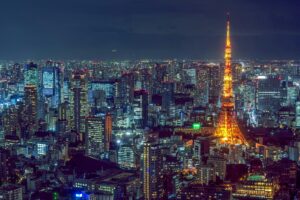
Tokyo is controlled chaos in the best possible way. Where ancient Shinto shrines sit next to neon-lit skyscraper districts, where a vending machine appears every fifty meters, and where your camera roll will genuinely run out of storage within the first 24 hours. Start in Shibuya for the famous scramble crossing, lose yourself in Shinjuku after dark, bow at Senso-ji in Asakusa at sunrise, and take the Shinkansen to Mt. Fuji for the ultimate day trip. Add TeamLab Borderless if immersive digital art is your thing — it is a genuine marvel. Five days minimum.
👉 Read the full guide: Top Things to Do in Tokyo in 2026
Osaka
If Tokyo is Japan’s head, Osaka is its stomach — and its heart. This is where you eat your way through street-food stalls that have been perfecting one dish for generations, where Osaka Castle stands surreally above theme-park roller coasters, and where Universal Studios Japan makes a very compelling case for spending a full day in a theme park. Dotonbori at night, draped in neon reflections over a canal, is one of the most alive places I have ever stood. Three days minimum, with your stretchy trousers on.
👉 Read the full guide: Top Things to Do in Osaka in 2026
Hiroshima & Kyoto
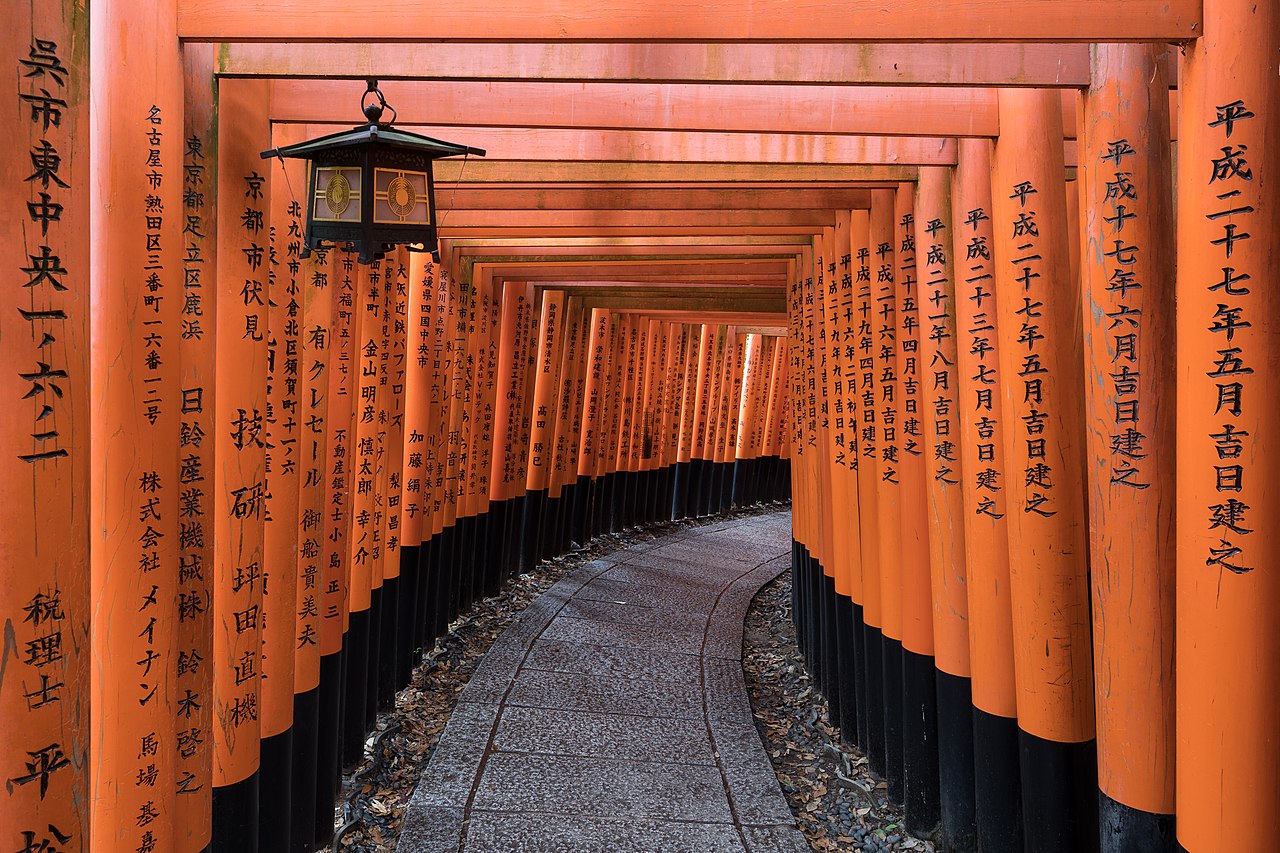
Hiroshima and Kyoto are the yin and yang of Japan travel. Hiroshima is the city that chose peace — the Peace Memorial Museum is one of the most important places you will ever stand in, and the ferry ride to Miyajima Island to see the floating torii gate is pure magic. Kyoto, meanwhile, is where Japan’s soul lives: thousands of orange torii gates winding up Fushimi Inari, the Arashiyama bamboo grove at dawn, and a deer park in Nara where the animals actually bow. These two cities together will make you fall in love with Japan all over again.
👉 Read the full guide: Top Things to Do in Hiroshima and Kyoto in 2026
Sample 10-Day Japan Itinerary
Days 1–4: Tokyo. Land at Haneda, grab your Suica card, check in. Day 1: Shibuya crossing and Harajuku. Day 2: Asakusa and Senso-ji Temple, then Akihabara. Day 3: Shinjuku and an evening at TeamLab or the Robot Cafe. Day 4: full day trip to Mt. Fuji and Kawaguchiko, or Kamakura for the Great Buddha and coastal trails.
Days 5–7: Osaka. Shinkansen from Tokyo to Osaka (~2.5 hrs). Day 5: Dotonbori food walk and evening neon. Day 6: Osaka Castle and Kuromon Ichiba Market. Day 7: Universal Studios Japan — give this a full day and consider the Express Pass.
Day 8: Hiroshima and Miyajima. Shinkansen to Hiroshima (~1 hr from Osaka). Morning at the Peace Memorial Museum and Park. Afternoon ferry to Miyajima Island to see the floating torii gate at high tide. Return to Hiroshima overnight or continue directly to Kyoto.
Days 9–10: Kyoto and Nara. Day 9: Fushimi Inari at sunrise, then Arashiyama bamboo grove. Day 10: day trip to Nara to walk among the deer, then back to Kyoto for Kinkaku-ji (the Golden Pavilion) and a farewell dinner.
What to Eat Across Japan
I came to Japan for the temples and left completely obsessed with the food — and it runs deep at every price point. Ramen is the national obsession and every region has its own style: rich tonkotsu in Fukuoka, soy-based shoyu in Tokyo, white miso in Hokkaido. Find a ramen shop with a queue and join it.
In Osaka: takoyaki (octopus balls in crispy batter), okonomiyaki (savoury pancakes), and kushikatsu (deep-fried skewers — never double-dip the sauce). In Hiroshima: the local okonomiyaki is different from Osaka’s — layered rather than mixed, and equally outstanding. In Kyoto: kaiseki multi-course dining and matcha everything.
Do not overlook convenience store food. Japan’s 7-Eleven, Lawson, and FamilyMart sell onigiri, hot meals, pastries, and drinks that would be restaurant-quality in most countries. Eat them without embarrassment — it is what everyone does, and some of the best food memories of this trip came from a konbini at 7am.
Travel Essentials for Japan
📶 eSIM — Airalo. The easiest way to have data from the moment you land. Buy a Japan eSIM through Airalo before your flight, activate it on the plane, and walk out of arrivals already connected. No queuing at the airport SIM counter.
✈️ Flights — Kiwi. Kiwi’s flight search finds creative routings that standard booking sites miss — particularly useful for open-jaw tickets (fly into Tokyo, out of Osaka) which save you significant backtracking time.
🎟️ Tours and JR Pass — Klook. For the JR Pass, Shinkansen seat reservations, TeamLab Borderless, Tokyo Skytree, and Osaka Castle tickets — Klook is the affiliate partner used throughout this Japan series and consistently offers competitive pricing with instant confirmation.
Frequently Asked Questions
Do I need a visa to visit Japan?
Most nationalities including EU, UK, US, Canadian, and Australian passport holders can enter Japan visa-free for up to 90 days as tourists. There is no e-Visa system — the entry stamp is given at immigration on arrival. Check the Japan Tourism Agency website or your country’s foreign ministry for the current exemption list before traveling.
What currency does Japan use?
Japan uses the Japanese Yen (JPY). Japan remains largely cash-based — many small restaurants, temples, and vending machines do not accept cards. Carry at least 10,000 to 20,000 yen at all times. ATMs at 7-Eleven, FamilyMart, and Japan Post branches reliably accept international cards. A Suica or Pasmo IC card loaded with cash handles all metro and local train travel.
Is Japan expensive to visit?
Japan’s reputation for being expensive is outdated. Food is remarkably affordable — excellent ramen often costs under 1,000 yen (about 7 US dollars), and convenience store meals are genuinely good. Accommodation and the JR Pass are the main costs. Budget around 80 to 120 US dollars per person per day for mid-range travel covering accommodation, food, transport, and entry fees.
How do you get around Japan between cities?
The Shinkansen bullet train network connects all major cities quickly and comfortably. Tokyo to Osaka takes about two and a half hours; Tokyo to Hiroshima around four hours. A JR Pass — purchased before arriving in Japan via Klook — covers all Shinkansen services (except the fastest Nozomi and Mizuho) and pays for itself on a multi-city trip. Within cities, Suica or IC cards handle metro and bus travel seamlessly.
Is Japan safe for solo travelers?
Japan is one of the safest countries in the world for solo travel, including for women traveling alone. Crime rates are extremely low, locals are helpful, and public spaces are clean and well-monitored. The main challenge is language — English is limited outside major tourist areas — but translation apps, bilingual signage, and universally polite interactions make navigation manageable.
Final Thoughts
Japan is the kind of trip that resets your travel expectations permanently. After a week moving between Tokyo’s electric chaos, Osaka’s joyful street food, and Kyoto’s temple serenity, everywhere else feels slightly less vivid. This guide is a starting point — the real version is written in your own camera roll, in the bowl of ramen you ate standing up at a counter somewhere in Shinjuku, and in the moment you first walked through Fushimi Inari at sunrise.
Japan is waiting. Go.