Tiny island, massive personality — and yes, you really can see most of it in a few days.
If you’re searching for the top things to do in Malta in 2026, get ready to fall in love with a country that’s basically a Mediterranean cheat code. Malta packs ancient temples older than Stonehenge, baroque cities that look like film sets, beaches with water bluer than your camera roll believes, and food that’s half Italian, half North African, and 100% delicious.
I went, I wandered, I ate too many pastizzi. Here’s everything I’d tell a friend planning their first trip.
This post contains affiliate links. If you book through them, I may earn a small commission at no extra cost to you — it helps keep Lifetsak running. Thank you!
🔗 Useful Travel Links
- ✈️ Flights to Malta – Find the best route with Kiwi – often cheaper if you fly into Sicily first
- ⛴️ Ferry from Sicily to Malta – Book on Ferryhopper – scenic, fast, and a great option if you’re already in Italy
- 📶 eSIM – Get Airalo – data the moment you land, no roaming fees
- 🎟️ Tours & skip-the-line tickets – Book on Klook
- 🛏️ Where to stay – Find hostels & budget stays on Hostelworld – Sliema and Valletta have great options
📍 Why Malta Surprised Me
I’ll be honest — I didn’t expect much when I booked Malta. A small island. A capital city most people couldn’t point to on a map. How exciting could it really be?
Within 24 hours I was eating my words (along with about six pastizzi). Malta is what happens when you take Sicily, sprinkle in some North Africa, add 7,000 years of history, and slap it onto an island the size of Greater London. The result is one of the most underrated destinations in the Mediterranean — and one of the easiest to fall in love with.
Everyone speaks English. The food is fantastic. The weather is generous from April through October. And you can be standing in front of a Neolithic temple in the morning and swimming in a turquoise lagoon by lunch.
🏛️ Valletta — The Baroque Capital
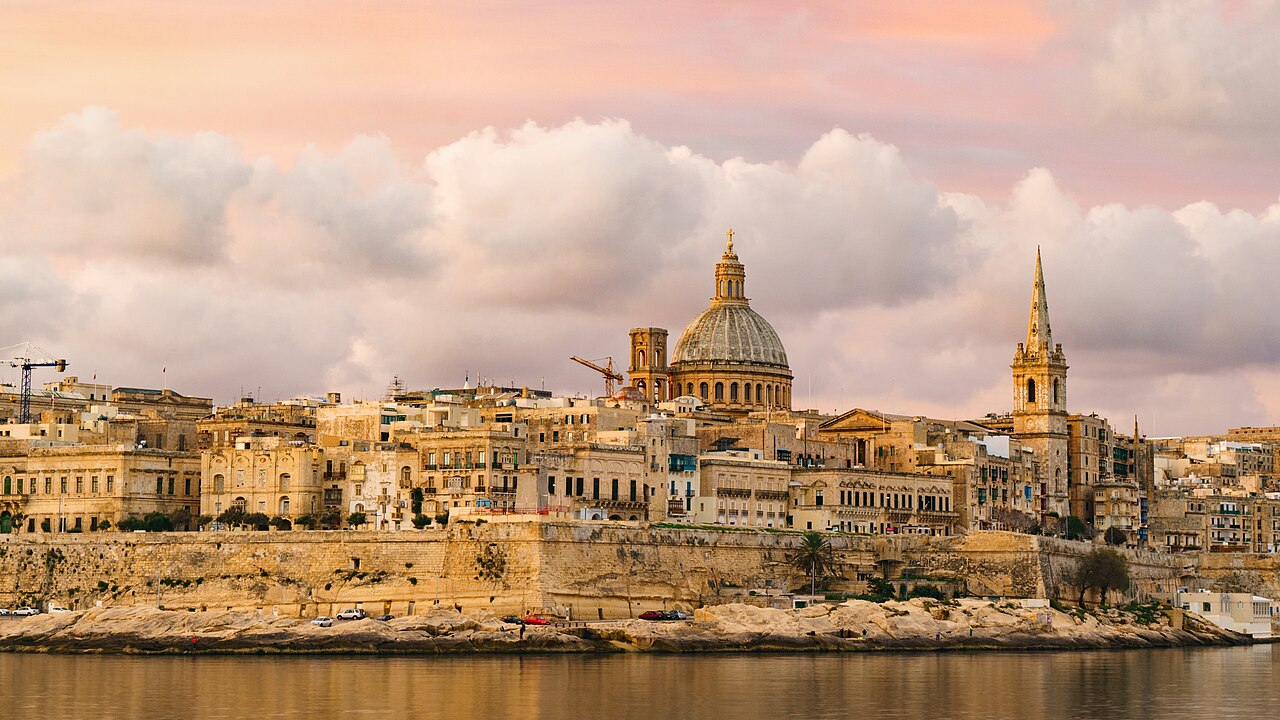
Valletta is the smallest capital city in the European Union, and somehow also one of the most photogenic. Built by the Knights of St. John in the 16th century, the whole city is a UNESCO World Heritage Site — and once you’ve walked through it, you understand why.
The streets are gridded, golden-limestone, and dramatically steep. You’ll get a workout. You’ll also get views that look fake.
Don’t miss in Valletta:
- St. John’s Co-Cathedral — Plain on the outside, insanely opulent on the inside. Marble floors made of tombstones, gold everywhere, and Caravaggio’s masterpiece “The Beheading of Saint John the Baptist.”
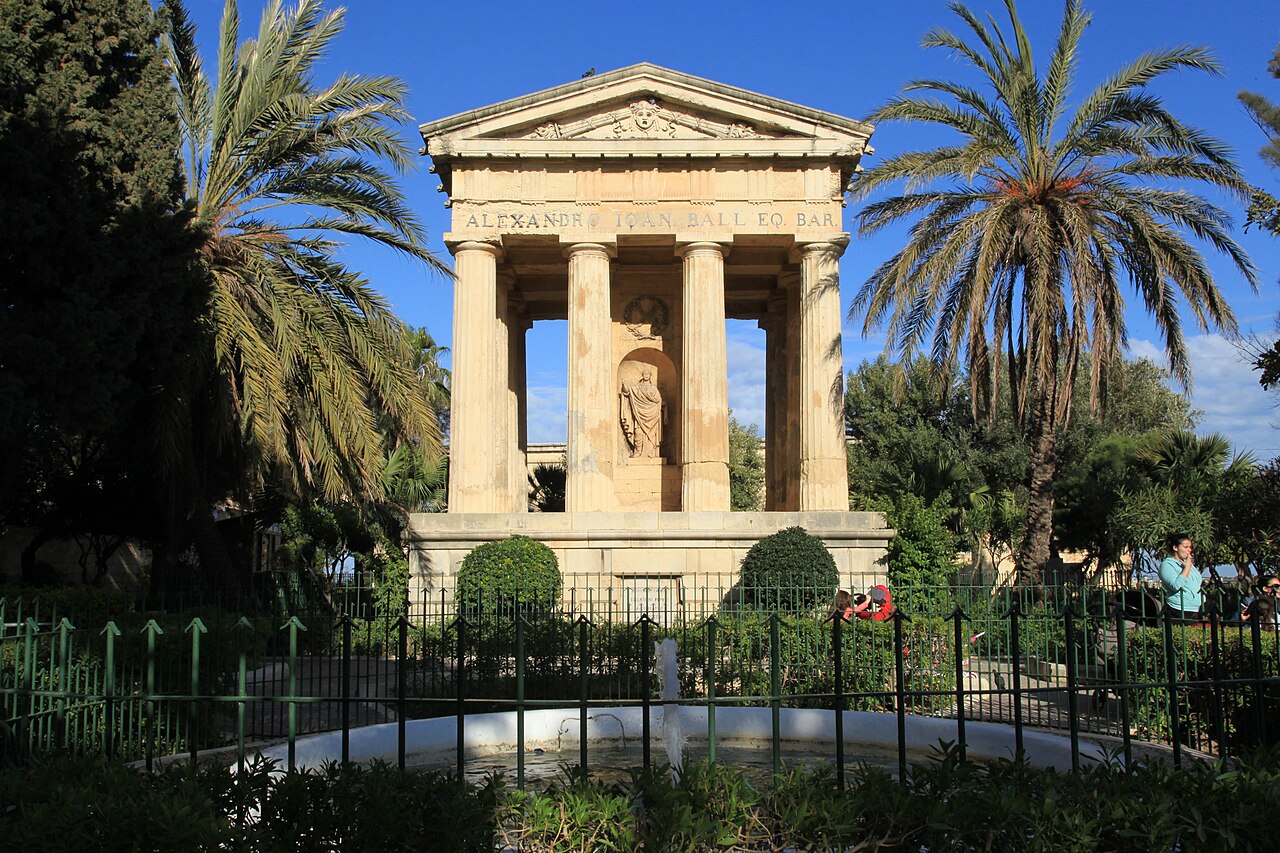
- Upper Barrakka Gardens — Free, panoramic views over the Grand Harbour. Time it for the noon cannon firing — locals call it the Saluting Battery.
- The Grandmaster’s Palace — The historic seat of the Knights, now Malta’s presidential palace. The armory alone is worth the ticket.
- Strait Street — Once Malta’s red-light entertainment district during the British Navy era, now a buzzing strip of bars and restaurants.
Tip: Wear good shoes. Valletta is built on a hill and every street is either up or down.
🏰 Mdina — The Silent City
If Valletta is Malta’s showpiece, Mdina is its quiet, mysterious cousin. This fortified medieval town in the centre of the island used to be Malta’s capital — and walking through it feels like stepping into a movie set. (It actually was — Game of Thrones filmed here, and you’ll recognise the gates instantly.)
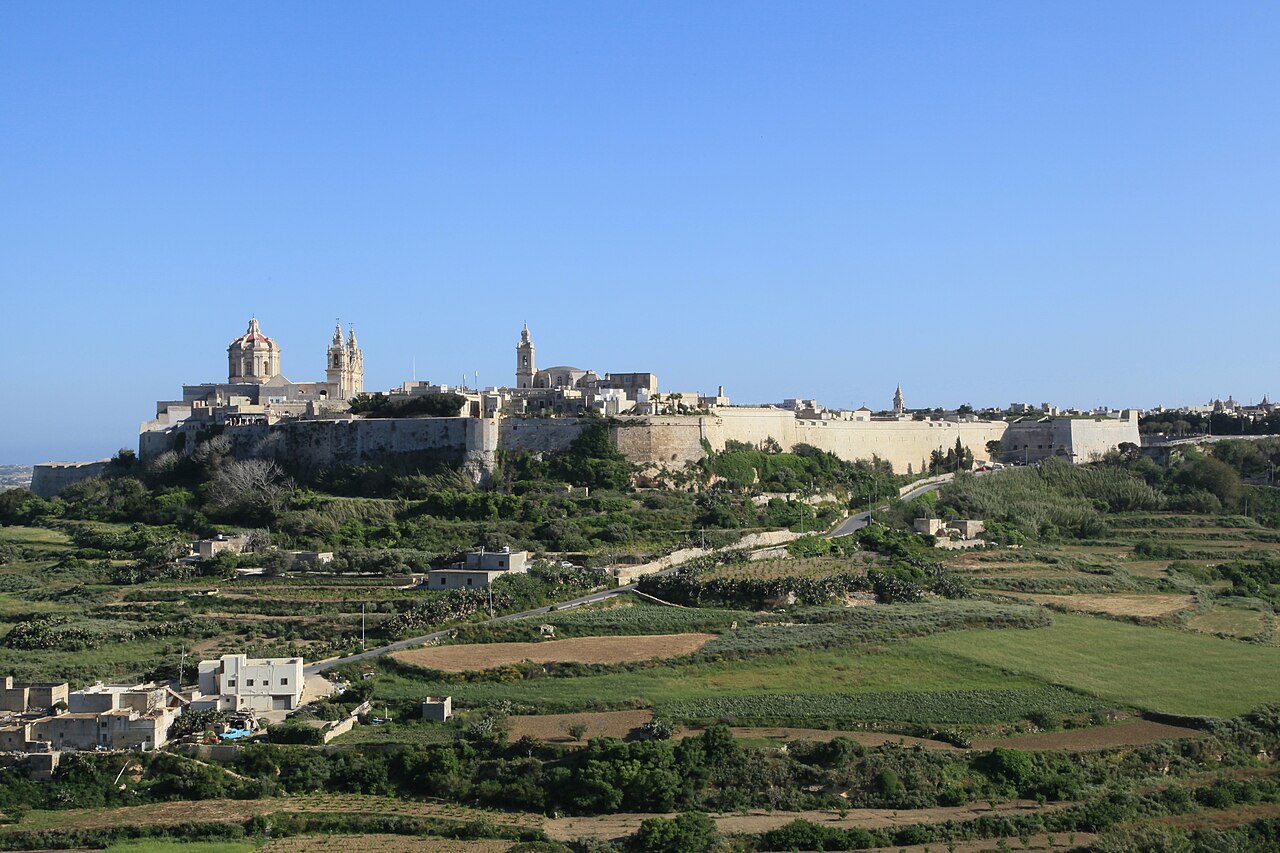
Why “Silent City”? Only around 250 people live inside the walls, and cars are mostly banned. At night, when the day-trippers leave, the streets go genuinely quiet.
Things to do in Mdina:
- Walk the narrow alleys at golden hour — every corner is photogenic
- Stop for cake and a view at Fontanella Tea Garden (the chocolate cake is legendary)
- Visit St. Paul’s Cathedral — Baroque, ornate, and quieter than Valletta’s
- Climb the city bastions for sweeping views across all of Malta
Right next to Mdina is Rabat, where you can visit the St. Paul’s Catacombs — an underground network of early Christian tombs.
🚤 Blue Lagoon & Comino
Let me say it plainly: the Blue Lagoon on Comino is one of the most beautiful natural spots in the Mediterranean. Crystal-clear turquoise water so shallow and bright you’ll think someone Photoshopped it.
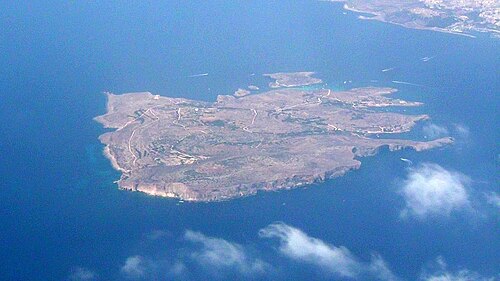
It’s also extremely popular. Like, extremely. In peak summer, the lagoon turns into a floating party with hundreds of boats. So timing matters.
How to do it right:
- Go early morning (before 10am) or shoulder season (April–May, September–October)
- Take a small-group boat tour rather than the huge ferries
- Bring water shoes — the rocky entry is sharp
- Combine with Crystal Lagoon (less crowded, just around the corner) and the Santa Maria Caves
Comino is tiny — only 3.5 km² with one hotel. Most people visit as a half-day trip from either Malta or Gozo.
🌿 Gozo — Malta’s Quieter Sister
Take the 25-minute ferry from northern Malta and you arrive on Gozo, the smaller, greener, slower island. It’s where Maltese people go when they want to escape… Malta.
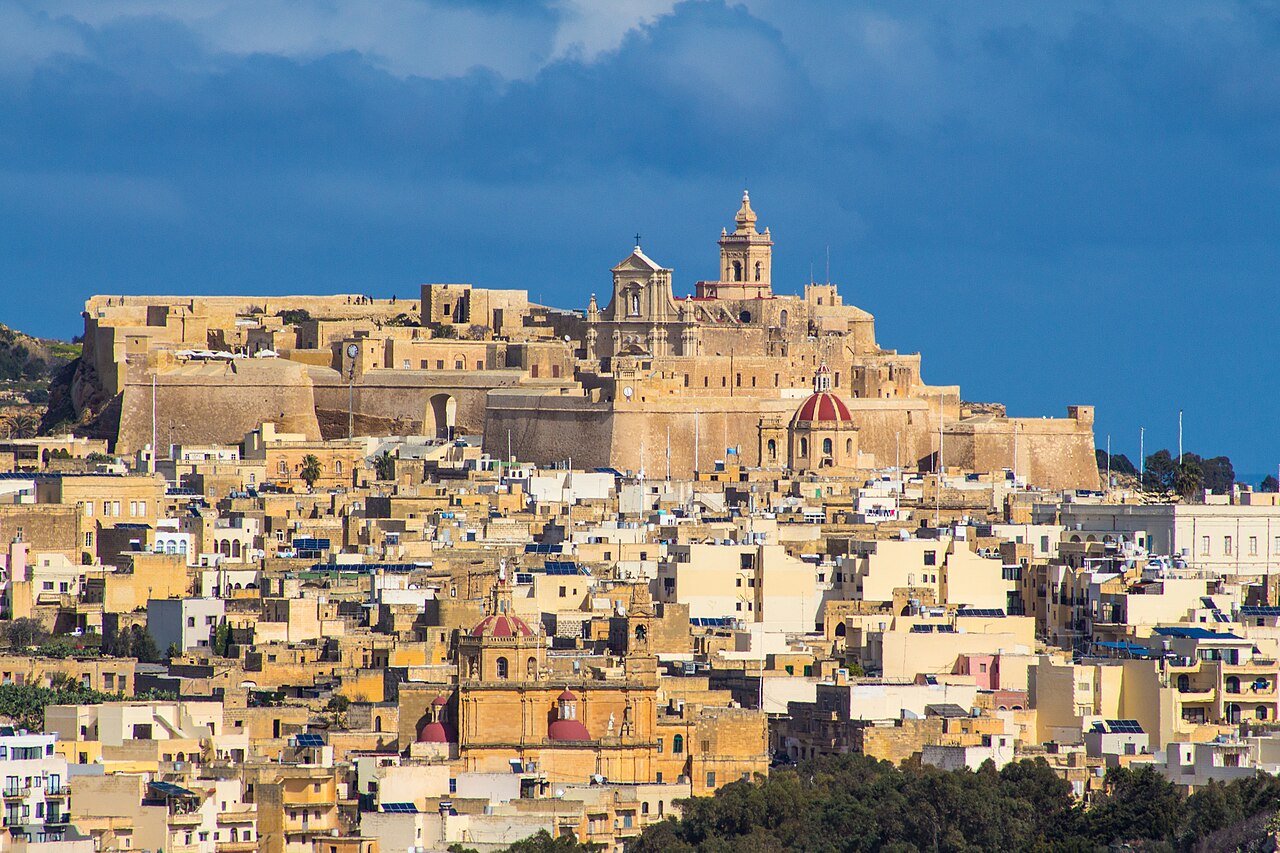
If you can spend even one full day here, do it. If you can sleep over, even better.
Top things to do on Gozo:
- Ramla Bay — Wide, sandy, red-orange beach with one of the calmest stretches of sea on either island
- Dwejra Bay — Famous for the (sadly collapsed) Azure Window, but still stunning with the Inland Sea and Fungus Rock
- Victoria (Rabat) — Gozo’s capital, with the imposing Citadel fortress on top of the hill
- Ġgantija Temples — Even older than Egypt’s pyramids and Stonehenge. Yes, really.
- Xlendi Bay — Tiny fishing village turned swimming cove, perfect for a slow lunch
Gozo feels like Malta with half the people and twice the soul. Some travelers I met said it was their favourite part of the trip.
🍸 Sliema & St. Julian’s — Modern Malta
If Valletta is the historic showpiece and Mdina is the time capsule, Sliema and St. Julian’s are where modern Malta lives, eats, drinks, and parties.
This is where most travelers stay — and for good reason. Hotels are plentiful, the seafront promenade is gorgeous, and you can hop on a ferry across to Valletta in 10 minutes.
Worth doing:
- Walk the Sliema promenade at sunset — the colours hit different when Valletta lights up across the water
- Have drinks in Spinola Bay, St. Julian’s — bars and restaurants line the harbour
- Visit Paceville if you want late-night clubs (it’s loud, young, and famous in Malta)
- Take the Valletta Ferry for a quick scenic crossing — about €2.80 each way
🗿 Ħaġar Qim & Mnajdra Temples
Time for some context that will properly blow your mind: Malta’s megalithic temples are some of the oldest free-standing structures in the world. Older than the Egyptian pyramids. Older than Stonehenge. Built around 3600 BC.
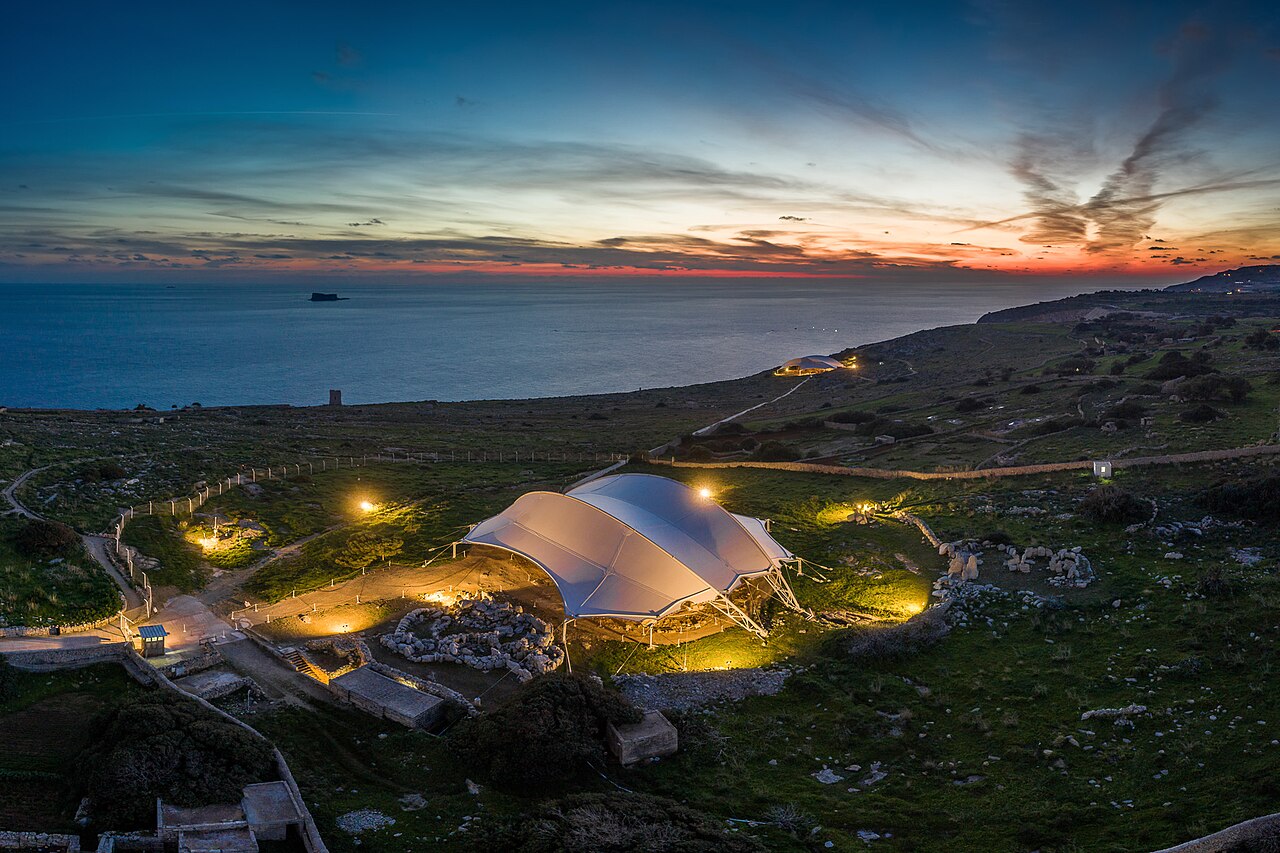
Ħaġar Qim and Mnajdra sit dramatically on a clifftop on the southern coast, looking out over the Mediterranean. The site is a UNESCO World Heritage Site, and walking around the stones knowing humans built this 5,600+ years ago is genuinely humbling.
Tips:
- Combine with Blue Grotto down the road — a stunning sea cave you can visit by small boat
- Visit the visitor centre first for context — the audio guide is worth it
- Wear a hat. Zero shade out there in summer.
🍽️ What to Eat in Malta
Maltese food is half-Italian, half-North-African, with British pub culture sprinkled in for chaos. It works.
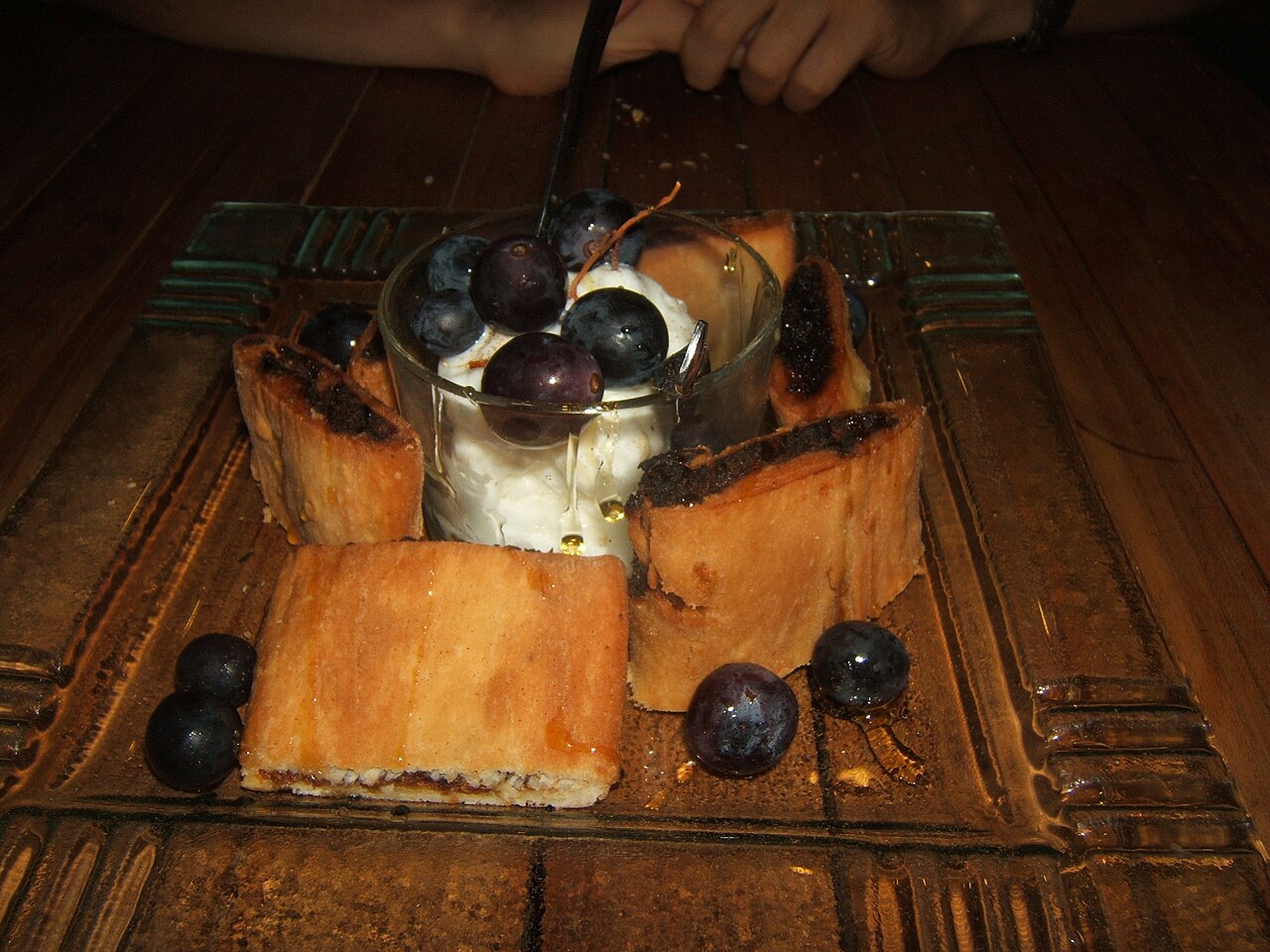
Must-try:
- Pastizzi — Flaky pastry filled with ricotta or pea mash. Cheap, hot, addictive. Eat them at the source: a tiny pastizzeria, not a fancy restaurant.
- Ftira — Maltese sandwich on dense, ring-shaped bread, usually stuffed with tuna, capers, olives, tomato, and gallons of olive oil. Lunch sorted.
- Fenkata (rabbit stew) — Malta’s national dish. Slow-cooked rabbit in tomato, wine, and garlic. Try it at least once.
- Aljotta — Garlicky fish broth with rice. Comfort food.
- Lampuki — Local seasonal fish (dorado), best in autumn.
- Maltese wine — The Marsovin and Meridiana labels are excellent value.
- Cisk — The local beer. Light, easy, very Maltese.
Where to eat:
- Nenu the Artisan Baker (Valletta) — Famous traditional ftira
- Crystal Palace Bar (Rabat, near Mdina) — Legendary 24/7 pastizzi spot
- Tà Frenc (Gozo) — One of the best fine-dining restaurants on the islands
- Ta’ Karolina (Xlendi, Gozo) — Seafood by the water
🗓️ Sample 4-Day Malta Itinerary
Day 1 — Valletta
Morning: Walk the city, St. John’s Co-Cathedral, Upper Barrakka Gardens for the noon cannon
Lunch: Ftira at Nenu’s
Afternoon: Grandmaster’s Palace, then walk down Strait Street
Evening: Dinner in Valletta, sunset views over Grand Harbour
Day 2 — Mdina + Ħaġar Qim
Morning: Drive or bus to Ħaġar Qim and Mnajdra temples, swing by Blue Grotto
Afternoon: Mdina + Rabat, lunch at Fontanella
Evening: Sunset on Mdina bastions, drive back to Sliema for dinner
Day 3 — Comino + Blue Lagoon
All day boat trip — Blue Lagoon, Crystal Lagoon, Santa Maria Caves
Evening: Drinks in Spinola Bay, St. Julian’s
Day 4 — Gozo Day Trip
Ferry from Ċirkewwa to Mġarr (25 min)
Citadel of Victoria → Ġgantija Temples → lunch in Xlendi → Ramla Bay swim → Dwejra Bay sunset
Last ferry back around 9pm
💡 Practical Travel Tips
- Currency: Euro (€). Cards accepted almost everywhere; bring some cash for small bakeries and bus tickets.
- Language: Maltese and English are both official. Nearly everyone speaks English fluently.
- Getting around: Buses are cheap (€2 for a single, €21 for a 7-day Explore card) but slow. Renting a car gives you so much more freedom — and Malta drives on the left (British legacy).
- Best time to visit: April–June and September–October. July and August are hot and very crowded. Winter is mild but rainy.
- Tipping: 5–10% in restaurants if service isn’t included.
- Plugs: UK-style three-pin sockets. Bring an adapter if you’re not from the UK/Ireland.
- From Sicily: Ferryhopper runs catamarans from Pozzallo to Valletta in about 1h 45m — a great way to combine Sicily and Malta in one trip.
❓ Malta FAQ
How many days do you need in Malta?
Four full days is the sweet spot — one for Valletta, one for Mdina + the south, one for Comino and the Blue Lagoon, and one for Gozo. Three days is doable but rushed. A week lets you really slow down.
Is Malta expensive?
Mid-range. Cheaper than Italy or France, more expensive than Greece or Turkey. Budget travelers can do €70–90 per day; mid-range around €120–160; comfortable €200+.
What’s the best month to visit Malta?
May, June, and September are perfect — warm sea, manageable crowds, hotel prices below summer peak. July and August are stunning but packed and very hot.
Is Malta good for solo travelers?
Excellent. It’s safe, English-speaking, and easy to navigate. Sliema and St. Julian’s have a buzzing social scene with plenty of solo travelers.
Do I need a car in Malta?
Not strictly — buses cover most of the island — but a car saves you a lot of time, especially for Gozo and the southern temples.
Can I do Malta and Sicily together?
Absolutely. Fly into Catania, spend a few days in Sicily, then take the Ferryhopper catamaran from Pozzallo to Valletta (under 2 hours). It’s one of the best multi-country Mediterranean trips you can do.
🇲🇹 Final Thoughts
Malta is the kind of destination that punches dramatically above its weight. In four days you can stand inside temples older than the pyramids, swim in water that doesn’t look real, eat your bodyweight in pastizzi, drink local wine on a cliffside terrace, and still have time to lose yourself in a baroque capital you’d never heard of before booking.
Go before the world fully catches on. (Spoiler: it’s already catching on.)
🧳 Pack your bags. 🌊 Bring your swimsuit. ☀️ Charge your camera.
Malta is ready.